It All Starts With Noticing
I’ve always noticed things others haven’t. Since I turned my attention to creative photography, my ability to notice has improved even more.
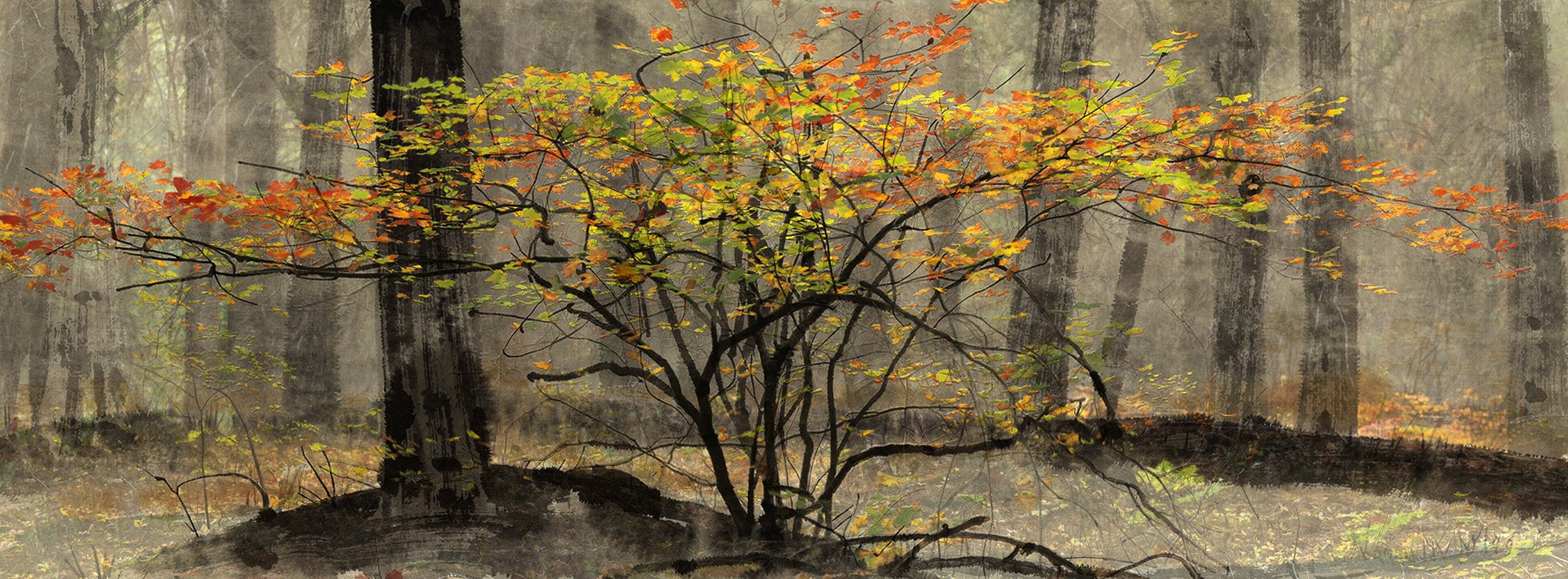
Hidden Moments 26128NWGFC_2.7 x1
The Act of Noticing
I exercise-walk nearly every morning. I’ve established five or six routes, each with subtle variations. Once I choose a route and head out the door, my legs go on autopilot. Muscle memory takes over; I think little about where I'm going.
This autopilot frees up gray matter to notice my surroundings. For example, how the light scrapes across the treetops at sunrise, creating a light-to-dark gradient. How tall grasses dance in the wind. How old fallen leaves change from opaque structures to see-through skeletons.
Recently, footprints on the soft walking trail have caught my attention. Some footprints are wide and large, while others are narrow and small. Some show a long stride, while others are short and choppy. Some leave a deep imprint; others are light and almost invisible.
The footprints conjure imaginary profiles of the people who made them. For instance, two sets of prints side by side, one large and one much smaller. Parallel to the footprints is a deep line for a short distance. I imagine a mother or father and child walking, with the child dragging a stick in the dirt. A set of long-stride footprints with a heavy heel-strike pattern, plus a set of paw prints. I imagine a runner accompanied by their trusty companion.
Where Ideas Come From
I’m often asked how I come up with ideas for my creative photographs. Noticing is a key element.
In The Creative Act, Rick Rubin offers a wonderful metaphor for kick-starting the creative process. He compares it to gathering idea seeds. The seeds come from everything: what we see, experience, imagine, read, hear, and our subconscious memories. We notice ideas, store and filter them, and revisit each to decide whether it's ripe and ready for harvest.
Some ideas need more thought, time, and contemplation before they’re ready. Others blossom into a preconceived single image almost immediately. Still others gather momentum and eventually emerge as a photo project.
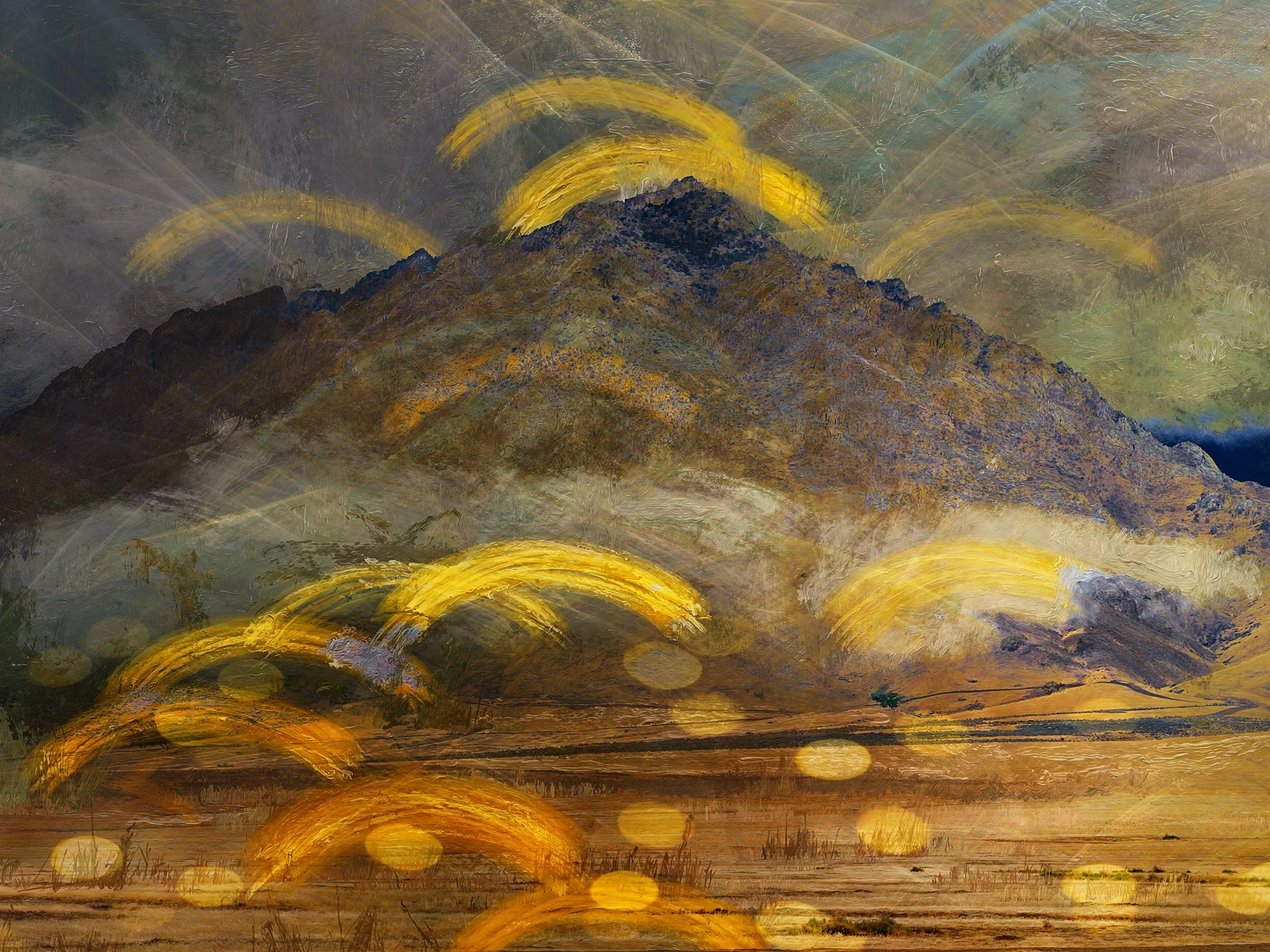
Natures Harmony 26131MIBGFC_4x3
AcousticVision
For example, while walking and listening to music composed by Canto Ostinato and performed by the Cello Octet Amsterdam, I wondered: could I render this music as a photograph? If so, what would it look like? That idea set the ball rolling. Ostinato’s music blends repetition with small variations in a beautiful, minimalist, hypnotic way.
Suddenly, my question expands. If music could be rendered as a photograph, would jazz improvisation look different from tightly scored classical music? Would folk ballads, storytelling, look different from, say, ambient, textured and atmospheric?
Excitement about the possibilities builds.
Time to brainstorm with an anything-is-possible mindset. Time to plant and nurture the idea seed. What-if questions come quickly and easily. Metaphors, symbols, and word associations become conscious thoughts. My mind drafts images as if they were already created.
Quick. Open a blank document. Capture the thoughts before they’re lost to time.
Not Giving Up Too Early
Two days later, doubt and uncertainty surface. Can I really pull this off? What about logistics, time commitments, and resources?
Feeding the excitement and fending off the ‘this will never work’ is the hardest part. Recalling the moment the idea struck, when the outcome was clear and absolute, is essential for me. Remembering what excited me in the first place. Believing the idea has merit without prejudice. Pushing it toward a logical ‘go’ or ‘no go’ decision requires creative commitment and stick-to-itiveness.
The Seed has been Planted
I know not every idea will come to fruition, but the seed has been planted. It’s time to nurture it, give it space, keep weeds from crowding it, and prune it when it gets top-heavy.
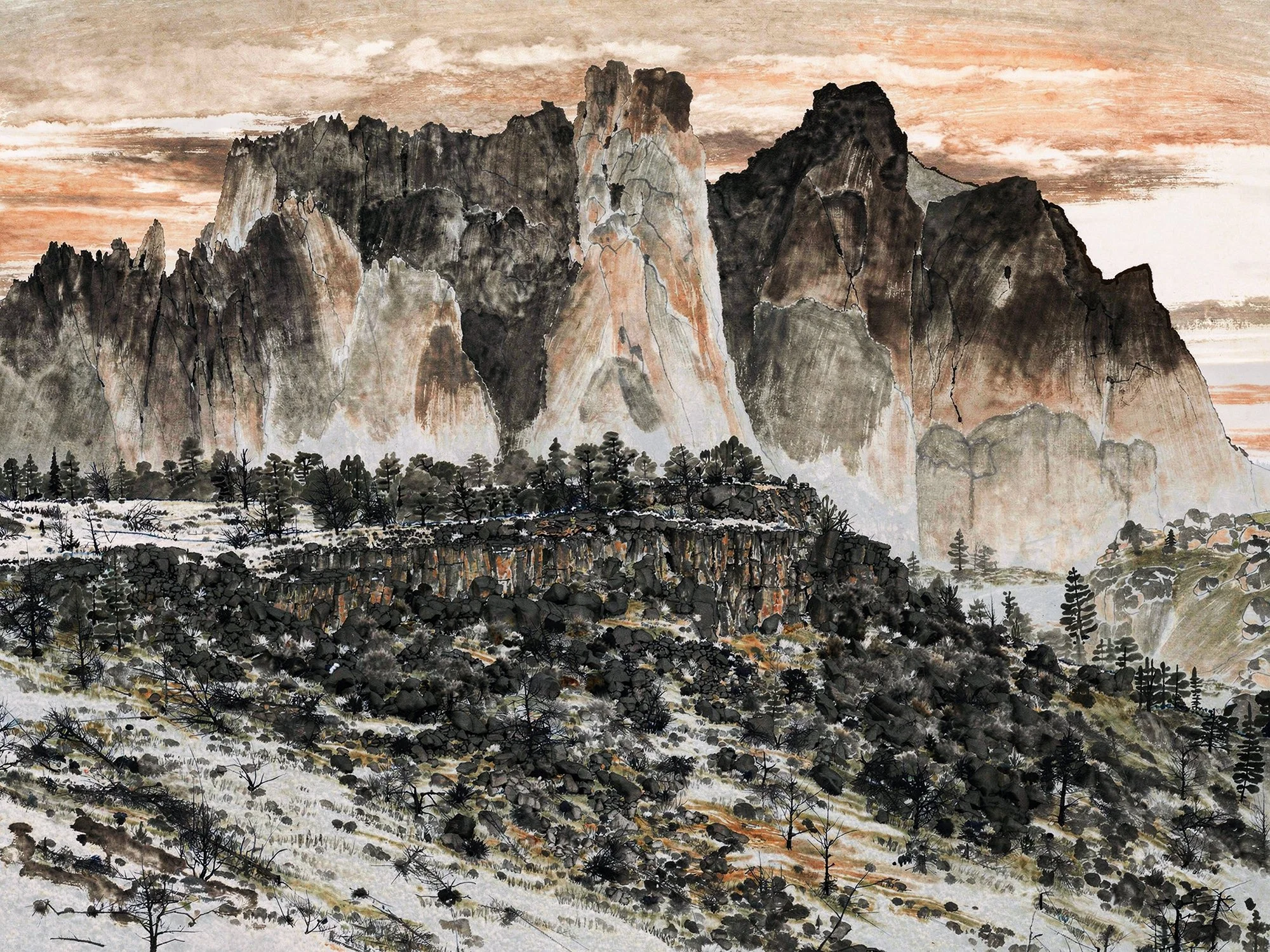
I’ve already begun the Acoustic Vision Project. The image below is one of the first attempts to move the idea from conception to reality.
It all started with noticing!
Wish me luck!
Cheers
Steve
Never Gets Old 26119NWGF_4x3